Concrete Greensboro NC is a sturdy, reliable construction material used in a variety of large-scale projects. Its strength and longevity make it a top choice for constructing roads and highways, commercial parking lots, and sidewalks.
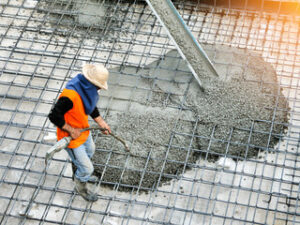
The key ingredients of concrete are water, Portland cement, and aggregates. The size and gradation of the aggregates affect both workability and strength. The curing process also requires moisture to prevent the concrete from drying too quickly.
Concrete’s immense strength makes it an ideal material for a range of construction applications. It’s used for everything from paving to large infrastructure projects, such as dams and bridges. It can also be used in residential buildings, such as homes and commercial office spaces. Using concrete in these spaces can help create a sense of privacy and professionalism, while also adding an element of durability to the building’s structure.
During the concrete mixing process, water is added to form a paste that coats and binds the aggregate materials together. Once the concrete is mixed thoroughly, a chemical reaction called hydration occurs, which gives the concrete its strength. Concrete can also be reinforced with steel or other materials to make it stronger and more durable.
In addition to its high compressive strength, concrete is fire resistant and can withstand extreme temperature variations. This means that it protects occupants from earthquakes and harsh weather conditions, making it an ideal choice for buildings. Its strength and resistance to wear and tear also make it an ideal paving material for roads, highways and commercial parking lots.
There are several different types of concrete available on the market, each with its own unique strengths and properties. The most common type is regular concrete, which has a typical strength of about 40 MPa. However, higher-strength concrete can be obtained by lowering the water-cement ratio to 0.35 or lower. For this purpose, a special type of cement is used and high-range water reducers are added to the mix. This type of concrete can also be reinforced with steel or organic fibers to increase its strength. For even greater strength, ultra-high-performance concrete is used. This type of concrete has a higher level of silica fume and can be pre-mixed in bags.
Durability
Concrete is an extremely durable material that can withstand the rigours of nature and human activity. Its durability has contributed to the development of a wide range of structures, including roads, airport runways, and parking lots. Its ability to resist compression makes it ideal for load-bearing structures such as buildings, skyscrapers, and bridges. Its strength-to-weight ratio is also a valuable asset in construction projects with limited space or time constraints.
Its durability and capacity to withstand earthquakes, typhoons, tornadoes, and other natural disasters make it an essential component of sustainable construction. Durable concrete is also less environmentally harmful than other construction materials. In addition, durable concrete structures can be easily repaired and reused, minimizing embodied energy.
Durability of concrete is defined by its resistance to degradation by abrasion, corrosion, chemical attack, and freeze-thaw cycles. It can be improved by proper mix design, adequate water cement ratio, reduction in permeability, and attention to placement, curing, and consolidation. In addition, concrete can be strengthened with air-entrainment admixtures to improve its physical durability.
Corrosion of concrete is a complex process that involves multiple factors, including the presence of chloride ions, alkalis, and carbonates. These factors can interact with aggregates, affecting the microstructure of concrete and increasing its susceptibility to damage. This can lead to carbonation and chloride-induced corrosion, which have a significant impact on the structural integrity of concrete structures.
Durability of concrete is a crucial part of sustainable construction, and improving its durability will help to preserve cultural legacies and promote economic growth. This is not a trivial goal, but it is challenging to achieve with budget-constrained research funding. Interdisciplinary collaboration is key, but it requires funding at a scale that can be targeted through major initiatives.
Flexibility
Concrete has a lot of versatility due to its ability to take on various shapes without needing to be cut or bent. It can be poured into any shape needed on the job site and used to seal small gaps. This is particularly beneficial in commercial construction, where it is used for sidewalks and parking lots.
In addition to its strength and durability, concrete is also fire-resistant. This makes it an ideal building material for commercial buildings, as it will help to protect the occupants from fire and may even lower insurance costs. In a fire, concrete will resist the spread of fire and slow down the fire, giving rescuers more time to act.
One of the most popular uses of concrete is in hydraulic structures, such as dams and reservoirs. This is because concrete has the unique feature of impermeability, meaning that it is a good choice for structures that are constantly exposed to water. Concrete can be reinforced with steel, boosting its tensile strength and resistance to bending or cracking.
Moreover, concrete is a green construction material because it can be made from recycled industrial wastes, including fly ash, slag, and ground vehicle tires. This reduces the environmental footprint and saves on the cost of raw materials. Additionally, concrete does not burn and can prevent mildew and rot from growing in homes and commercial buildings.
Furthermore, it does not off-gas any organic compounds that can trigger allergic reactions in the occupants of a home or business. This will reduce the amount of airborne allergens and make for a more comfortable environment. In addition, concrete is a thermal insulator, keeping homes and offices warm and energy-efficient.
Versatility
Concrete is found in every part of the world and is one of the most versatile construction materials available. It is used to build roads, bridges, buildings, sidewalks, and other infrastructure projects. Its versatility comes from the fact that it is made from a combination of water, aggregate, and cement. The proportions of these ingredients and the prevailing environmental conditions have a significant impact on the final strength and durability of concrete.
In addition to its strength, flexibility, and versatility, concrete also has a low environmental impact. Unlike steel, it requires less energy to produce and does not require extreme heat to shape into desirable shapes. In addition, it does not rust or decay, making it an ideal material for building structures that will be exposed to the elements.
It is also fire resistant and non-combustible. This makes it a great choice for buildings, especially taller structures such as skyscrapers and towers. It can also withstand high levels of heat, making it an excellent material for the walls and ceilings of storage rooms or facilities that house products with a high fiber content. Concrete’s durability reduces maintenance costs and the need for replacement.
It is a relatively heavy material, but the strength of concrete makes it an excellent choice for retaining structures such as dams and piers. It can also be reinforced with steel to provide additional stability for heavier loads. This is an important consideration for any structural project that will be subject to heavy loads. Using reinforced concrete can reduce the overall weight of a structure while ensuring that it remains strong and stable.
Cost
The cost of concrete varies depending on the type of project and materials used. The basic ingredients—cement, sand and gravel (aggregate)—are relatively inexpensive. Labor, on the other hand, can significantly increase the cost of a project. For example, pouring a new driveway or patio requires extensive site preparation and may require the use of heavy machinery. Concrete slabs also need to be reinforced to ensure structural integrity. Decorative options like stamped or colored concrete can also raise costs.
Concrete is one of the most popular construction materials worldwide, and for good reason. It is strong, durable and a good insulator, which makes it an excellent choice for buildings. It also reduces noise pollution and doesn’t produce noxious gases. Concrete is also resistant to fire, making it a great option for high-rises or other buildings in areas with wildfire risk.
In addition to being a versatile building material, concrete has many other applications. It is the material of choice for dams, because it is both strong and long-lasting. It is also often used in culverts, sewers, and tunnels. Concrete is also a popular choice for water pipes because of its durability and resistance to corrosion.
The cost of concrete can be reduced by using the right mix and by planning efficiently. The key is to accurately estimate the amount of concrete needed for a project. Using a concrete calculator can help prevent waste, which can add up quickly. For instance, ordering too much concrete can lead to unnecessary expenses and delays. Ordering smaller loads can also incur additional fees, such as short-load charges or weekend delivery. It is important to compare supplier quotes to find the best deal.