A beautifully painted kitchen can completely change the look and feel of a home. Smooth cabinet finishes, modern colors, and clean surfaces often make kitchens appear brighter, newer, and more inviting. However, the quality of a cabinet painting project depends heavily on one important factor that many homeowners overlook. Preparation is what separates long lasting professional results from paint jobs that chip, peel, or wear out quickly.
Professional Modesto Cabinet Painters spend a significant amount of time preparing cabinets before any paint is applied, as proper preparation lays the foundation for durability and appearance.
Why Cabinet Preparation Is So Important
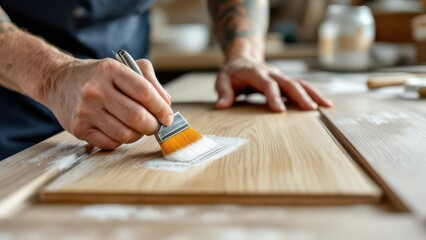
Cabinets are very different from walls. Kitchen cabinets are constantly touched, exposed to grease and moisture, subjected to cooking heat, and opened and closed every day. Because of this, cabinet surfaces require much more preparation than ordinary interior painting projects.
Without proper preparation, even high quality paint may fail to bond correctly to the cabinet surface. This can lead to bubbling, peeling, cracking, or uneven finishes over time. Professional painters understand that preparation directly affects how long the painted cabinets will last and how smooth the final finish will appear.
Preparation also helps eliminate imperfections that may become more visible after painting. Scratches, dents, old stains, and grease buildup all need attention before new coatings are applied. Careful preparation creates a cleaner and more professional looking result that holds up better under daily use.
Inspecting the Cabinets Before Painting
The preparation process usually begins with a full inspection of the cabinets. Cabinet painters examine the condition of the cabinet doors, drawer fronts, frames, and hardware to identify any damage or problem areas that need repair.
During the inspection, painters look for peeling finishes, water damage, loose hinges, cracks, dents, or warped surfaces. Cabinets with structural damage may require repairs before painting can begin. Areas exposed to frequent moisture, such as cabinets near sinks or dishwashers, often receive extra attention because water damage can weaken the surface over time.
The inspection stage also helps painters determine what type of material the cabinets are made from. Solid wood, laminate, veneer, and engineered wood surfaces all require slightly different preparation methods to ensure proper paint adhesion and durability.
Removing Cabinet Doors and Hardware
Professional cabinet painters almost always remove cabinet doors, drawer fronts, and hardware before painting begins. This allows every surface to be painted more evenly and reduces the risk of visible brush marks or missed areas around hinges and handles.
Handles, knobs, hinges, and drawer pulls are carefully removed and often labeled to simplify reinstallation later. Labeling doors and hardware is important because cabinets may look identical while having slight differences in fit and alignment.
Removing the doors also allows painters to work more efficiently and achieve smoother finishes. Painting doors while they remain attached to the cabinet frames often results in drips, uneven coverage, and visible imperfections.
Organizing all cabinet components carefully during removal helps create a cleaner and more professional final appearance once the project is completed.
Cleaning and Degreasing Cabinet Surfaces
One of the most important preparation steps is thoroughly cleaning the cabinets. Kitchen cabinets collect years of grease, oils, food residue, smoke, dust, and fingerprints that may not always be visible to the eye. If these contaminants remain on the surface, paint and primer may not bond properly.
Professional cabinet painters use strong degreasing cleaners designed specifically to remove oils and residue from cabinetry. Areas near stoves and cooking spaces often contain the heaviest grease buildup and require extra attention during cleaning.
Cleaning also removes dust and debris that could create bumps or texture problems in the final finish. Corners, edges, and decorative details are cleaned carefully because residue often accumulates in these areas.
Proper cleaning creates a stable surface that allows primer and paint to adhere more effectively and improves the long term durability of the painted cabinets.
Sanding the Cabinets Properly
Sanding is another critical step in cabinet preparation. Most cabinets have glossy finishes that prevent paint from bonding effectively without surface preparation. Sanding removes the sheen and creates a slightly rough texture that helps primer and paint adhere properly.
Professional painters use different sanding methods depending on the cabinet material and existing finish. Some surfaces require light sanding while others may need more extensive preparation to remove damaged coatings or smooth imperfections.
The goal is not always to strip cabinets completely down to bare wood. In many cases, painters only need to dull the existing finish enough to improve adhesion. Over sanding can damage cabinet surfaces, while insufficient sanding may lead to peeling or chipping later.
After sanding, the cabinets are cleaned again to remove dust particles before moving on to the next stage of preparation.
Repairing Damage and Imperfections
Professional cabinet painters also repair visible imperfections before painting begins. Small dents, scratches, nail holes, chipped edges, and cracks can become even more noticeable once paint is applied if not repaired properly.
Wood filler or specialized repair compounds are commonly used to fill damaged areas and create smooth surfaces. Once repairs dry, the areas are sanded carefully to blend with the surrounding cabinet material.
Painters may also tighten loose hinges or repair minor structural issues during this stage. Proper repairs help ensure the finished cabinets not only look better but also function properly after the project is completed.
Taking time to repair imperfections contributes significantly to the smooth and polished appearance associated with professional cabinet painting.
Applying Primer to the Cabinets
Primer is one of the most important parts of cabinet preparation because it creates a bonding layer between the cabinet surface and the paint. Professional painters carefully choose primers based on the cabinet material, existing finish, and final paint color.
Bonding primers are commonly used for glossy or laminate cabinets because they improve adhesion on difficult surfaces. Stain blocking primers may also be necessary for darker woods or cabinets with old stains that could bleed through lighter paint colors.
Primer helps create a more even surface while improving paint durability and color consistency. It also reduces the likelihood of peeling, bubbling, or uneven wear later.
Professional painters typically apply primer evenly in thin coats and allow adequate drying time before sanding lightly and applying the final paint layers.
Protecting the Kitchen During Preparation
Preparation involves more than just the cabinets themselves. Professional cabinet painters also protect surrounding areas of the kitchen before painting begins. Floors, countertops, appliances, walls, and backsplashes are usually covered with protective materials to prevent dust and paint overspray.
Masking tape and plastic sheeting help isolate the work area and keep the rest of the kitchen cleaner throughout the process. Proper protection reduces cleanup time and prevents accidental damage to nearby surfaces.
Dust control is especially important during sanding because fine particles can spread throughout the kitchen if not managed carefully. Many professional painters use vacuum sanding systems or dust containment methods to minimize airborne debris.
Protecting the surrounding space helps maintain a cleaner work environment and contributes to a more professional overall project experience.
Preparing Cabinets for Spray Painting
Many professional cabinet painters use spray systems because they create smoother and more factory like finishes compared to brushes or rollers. Cabinets being prepared for spray painting require especially careful cleaning, sanding, and dust removal.
Spray painting highlights imperfections more easily because the finish becomes very smooth and even. Any remaining dust, scratches, or grease may become highly visible after spraying. For this reason, professionals often inspect surfaces multiple times during preparation.
Cabinet doors and drawers are usually moved to controlled work areas where spraying can occur more safely and evenly. Proper ventilation and drying conditions are also important for achieving durable and flawless spray finishes.
Spray preparation techniques contribute greatly to the sleek appearance many homeowners expect from professionally painted cabinets.
Why Professional Preparation Creates Better Results
The biggest difference between professional cabinet painting and many do it yourself projects is the amount of time spent on preparation. Professionals understand that paint quality alone cannot compensate for poor preparation methods.
Careful cleaning, sanding, repairing, priming, and protecting surfaces all work together to create stronger adhesion and smoother finishes. These preparation steps help cabinets resist scratches, moisture, grease, and everyday wear much more effectively over time.
Professional preparation also improves appearance significantly. Smooth surfaces, clean edges, and consistent color application contribute to the polished look homeowners expect in modern kitchens.
Although preparation often takes longer than the painting itself, it is one of the most important investments in the entire cabinet painting process.
Conclusion
Professional cabinet painters prepare cabinets carefully because proper preparation is essential for creating durable and beautiful results. From inspecting and cleaning surfaces to sanding, repairing, priming, and protecting the surrounding kitchen, every preparation step contributes to the final quality of the project.
Cabinets experience constant daily use, which means painted finishes must bond strongly and withstand moisture, grease, and wear over time. Professional preparation methods help ensure the paint remains smooth, durable, and resistant to peeling or damage for many years.
Understanding how cabinet painters prepare cabinets for painting helps homeowners appreciate the level of detail involved in achieving professional quality finishes. Careful preparation is what transforms ordinary cabinet painting into a long lasting kitchen upgrade that improves both appearance and value throughout the home.